
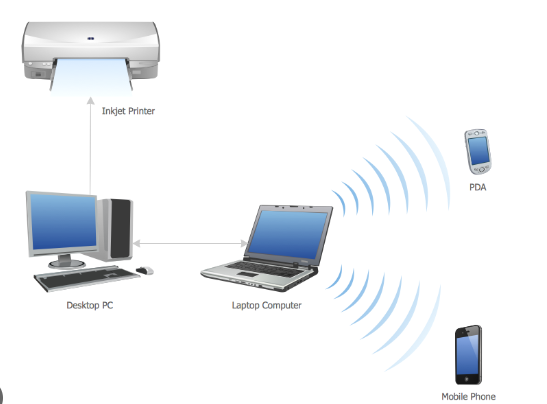
Understanding private area networks is essential in today’s increasingly connected world, where managing personal and business data securely is a top priority. As individuals and organizations alike seek ways to optimize their networking infrastructures, knowing how private networks function can significantly enhance data security and performance. This topic holds relevance for anyone looking to better manage their digital environments without compromising safety.
Defining a Private Area Network
A private area network (PAN) is a small, localized network that interconnects devices, allowing for data exchange and communication within a limited area. Typically spanning a few meters, these networks are often utilized for personal devices, such as smartphones, tablets, and computers. Unlike broader networks like local area networks (LANs) or wide area networks (WANs), PANs offer a more secure and intimate environment for data transfer, making them ideal for personal or small office use.
Key Technologies Behind Private Area Networks
The technologies that facilitate private area networks mainly revolve around wireless protocols such as Bluetooth and Zigbee. Bluetooth is commonly used for connecting devices like headphones or fitness trackers to smartphones, allowing seamless data sharing. Zigbee, on the other hand, is often found in smart home devices, offering an efficient way to control and monitor various gadgets from a single point. These technologies ensure low power consumption and streamlined connectivity, making them perfect for personal areas.
Advantages of Using a Private Area Network
One of the main advantages of a private area network is enhanced security. By limiting access to only those devices within the network, users can significantly reduce the risks of unauthorized access and data breaches. Additionally, PANs often provide improved performance due to the minimal interference from external networks, leading to faster data transfer rates. These networks also allow for easier device management, enabling users to control settings and configurations from a centralized source.
In conclusion, private area networks are invaluable tools for both personal and professional use. Understanding their functionality can empower users to create secure and efficient networking environments. Whether you’re looking to enhance your home automation system or streamline communication between devices, exploring PANs can open doors to a more connected experience. Take the next step today and delve deeper into the world of private area networks!