
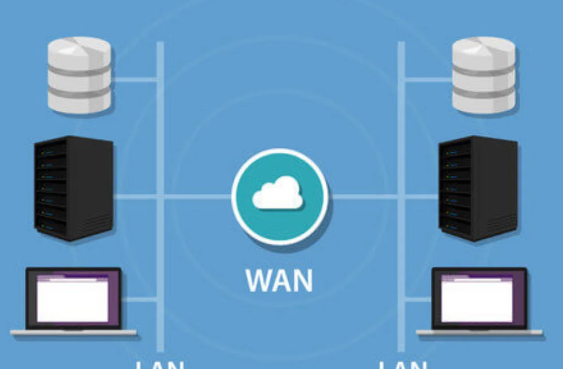
Understanding the differences between LAN, MAN, and WAN networks is crucial in today’s technology-driven landscape. As businesses and individuals increasingly rely on various network configurations for communication, data transfer, and connectivity, grasping the unique features of each type of network helps make informed decisions about infrastructure and resources. This article breaks down the distinctions and applications of each network type.
Local Area Network (LAN)
A Local Area Network (LAN) is designed for a small geographic area, like a single building or campus. This type of network typically connects computers and devices within close proximity, facilitating fast data transfer and communication. LANs commonly use Ethernet or Wi-Fi technology, providing users with a reliable and cost-effective solution for sharing resources such as printers and file servers. Due to their limited range, LANs are particularly ideal for home networks or small businesses where data speed and local resource sharing are imperative.
Metropolitan Area Network (MAN)
A Metropolitan Area Network (MAN) spans a larger geographic area than a LAN, typically covering a city or a large campus. It connects multiple LANs, enabling organizations to communicate over a broader scope without relying on external networks. MANs often utilize fiber-optic cables, providing high-speed connectivity ideal for data-heavy applications. Government agencies, universities, and businesses within urban areas commonly use MANs to interlink their facilities and promote efficient data exchange.
Wide Area Network (WAN)
A Wide Area Network (WAN) covers an even larger geographic area than a MAN, often connecting multiple cities, countries, or even continents. WANs utilize various communication technologies, including satellite, leased lines, and public networks, to interconnect disparate locations. This type of network is essential for multinational organizations that require consistent communication and data access across long distances. While WANs provide extensive coverage, they tend to have lower data transfer speeds compared to LANs and MANs due to the inherent complexities involved in long-distance communications.
In conclusion, each network type—LAN, MAN, and WAN—serves distinct purposes and caters to different scales of connectivity. Understanding these differences can help guide decisions regarding network infrastructure and services. For further insight and tailored solutions for your networking needs, consider exploring more about these network types and their applications in the real world.