
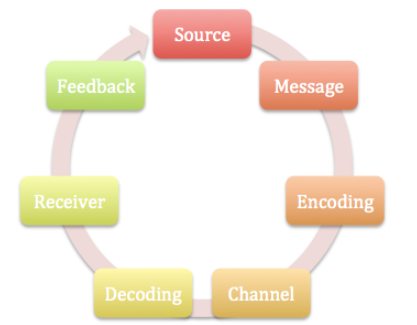
Understanding how signals travel is essential in our increasingly interconnected world. This knowledge forms the backbone of communication technology, impacting everything from telecommunications to internet connectivity. By exploring the mechanisms behind signal transmission, we can better appreciate the innovations that shape our daily communication experiences.
The Basics of Signal Transmission
At its core, signal transmission involves converting information into a signal that can be sent over various media. This can include electrical impulses over wires, light signals through fiber optics, or radio waves through the air. The choice of medium affects the speed, range, and quality of communication, making it vital for efficient data transfer.
Types of Communication Signals
Communication technology primarily utilizes two types of signals: analog and digital. Analog signals are continuous waves that can take on any value within a given range, making them suitable for audio and video transmission. In contrast, digital signals are discrete and represent data in binary form, which allows for greater error resistance and efficient processing in modern devices. Understanding these signal types is crucial for comprehending how different technologies interact.
The Role of Modulation and Demodulation
Modulation refers to the technique of varying a carrier signal to convey information, while demodulation is the reverse process. These processes are essential in adapting signals for transmission over different types of media, such as radio frequencies or broadband connections. By modulating signals, we can optimize bandwidth usage and enhance transmission security, making them foundational to effective communication in today’s digital landscape.
In conclusion, grasping the principles of signal travel in communication technology can enhance your understanding of the systems we rely on every day. Exploring these concepts further can illuminate the innovations shaping our interconnected world. Consider delving deeper into this exciting field to uncover more about the technology that keeps us connected!