
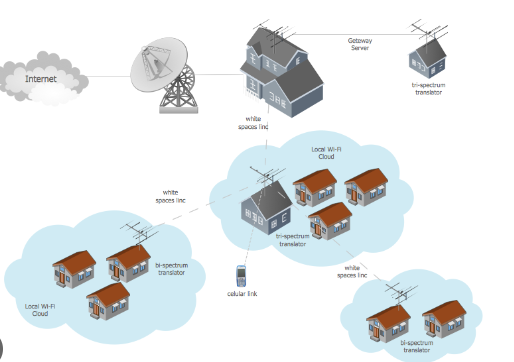
Understanding how LAN (Local Area Network) networks work is essential in an increasingly connected world. LANs are fundamental for homes, offices, and educational institutions, facilitating easy communication and data sharing among devices. This article will explore the components, technologies, and advantages of LAN networks, providing insights into why they are vital in modern computing.
Components of a LAN Network
A LAN typically consists of multiple devices such as computers, printers, and servers connected within a limited geographical area. At the core of a LAN are devices like switches and routers that manage data traffic efficiently. Additionally, the physical layer includes cables (like Ethernet) or wireless signals that facilitate connectivity, creating a foundation for network communication.
Technologies Behind LANs
LANs leverage various technologies, primarily Ethernet and Wi-Fi, to ensure high-speed communication. Ethernet offers wired connections that provide stability and speed, making it ideal for environments that require heavy data transfer. On the other hand, Wi-Fi enables wireless connectivity, allowing devices to connect without physical cables, offering flexibility and convenience in more dynamic environments. Each technology has its strengths, with the choice often depending on specific user needs.
Benefits of Using a LAN Network
One of the major advantages of LANs is the ability to share resources such as files, printers, and internet connections among users, leading to increased efficiency and collaboration. Additionally, LANs enhance security within the network, allowing for better control of data access and protection from external threats. They also typically boast lower costs compared to wide area networks (WANs), making them a practical choice for both households and businesses looking to optimize their network infrastructure.
In conclusion, LAN networks play a crucial role in facilitating communication and resource sharing in various settings. Understanding their components, technologies, and benefits can empower individuals and organizations to make informed decisions about their networking needs. Explore further to deepen your knowledge about LANs and the impact they have on our connected lives!