
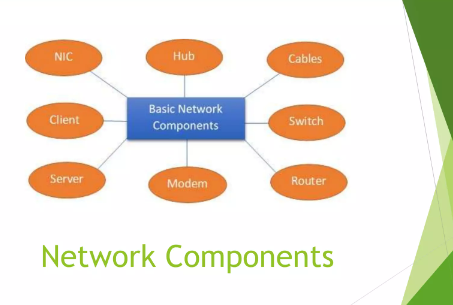
Understanding the core components of computer networks is crucial in our increasingly interconnected world. These components enable communication, data sharing, and resource management across devices, forming the backbone of modern technology. Familiarity with these elements empowers individuals and organizations to optimize their network performance and troubleshoot issues effectively.
Network Topologies
Network topology refers to the arrangement of different elements in a network. It can be physical, representing the actual connections, or logical, depicting how data flows between devices. Common topologies include star, ring, mesh, and bus, each with its advantages and disadvantages. For instance, star topology enhances reliability, as a failure in one connection doesn’t disrupt the entire network, while mesh topology offers robust redundancy but can be complex and costly.
Network Hardware
Network hardware encompasses various devices that facilitate the connection and communication between computers and other devices. Essential components include routers, switches, hubs, and modems. Routers direct data packets between networks, switches connect devices within the same network, and modems enable internet access. Understanding these devices’ roles helps in configuring and maintaining efficient network systems.
Protocols and Standards
Protocols are essential rules governing data transmission across networks, ensuring reliable and accurate communication. Various protocols, such as TCP/IP, HTTP, and FTP, serve specific purposes, from transmitting web pages to transferring files. Adherence to standardized protocols allows diverse devices and systems to communicate seamlessly, fostering an interoperable environment essential for the internet and intranets alike.
In conclusion, diving deeper into the core components of computer networks can significantly enhance your understanding of how our digital world operates. By expanding your knowledge of network topologies, hardware, and protocols, you are better equipped to navigate and optimize your network systems. Explore further and empower yourself with more insights into this vital aspect of technology!