
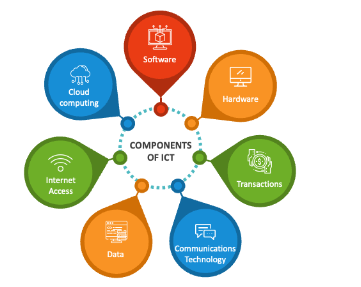
The understanding of communication technology systems is crucial in today’s interconnected world. As technology continues to evolve, it plays a vital role in how information is shared and processed, affecting both personal and professional interactions. By delving into the core components of these systems, we can better appreciate their significance and functionality in our daily lives.
Hardware Components
The hardware components of communication technology systems include devices such as computers, mobile phones, routers, and satellites that facilitate the transmission of information. These tangible elements work together to create a network that connects users and enables data sharing over various distances. Each device plays a specific function, whether it’s processing data, routing information, or receiving signals. Understanding these components helps users recognize their importance in ensuring seamless communication.
Software Systems
Software systems are the backbone of communication technology, providing the necessary platform for applications, protocols, and user interfaces. They enable devices to communicate with one another through various protocols, ensuring that information is sent and received accurately. Operating systems and application software, such as messaging apps or email clients, function as the tools that process user inputs and manage data. Familiarity with these software systems empowers individuals to utilize communication tools more effectively, enhancing overall user experience.
Networking and Protocols
Networking is essential for linking various devices and systems together, allowing for data exchange across the globe. Protocols define the rules and standards that govern how communication occurs, ensuring that different systems can understand each other. Common protocols like TCP/IP, HTTP, and SMTP play crucial roles in web browsing, email communications, and secure data transfer. A grasp of these networking principles can lead to improved troubleshooting skills and better management of digital communication platforms.
By exploring these core components of communication technology systems, individuals can better appreciate the intricate dance of hardware, software, and networking that drives modern interactions. Understanding this landscape opens avenues for more effective communication, whether in personal settings, professional environments, or beyond. Dive deeper into each aspect to enhance your digital literacy and optimize your communication strategies!