
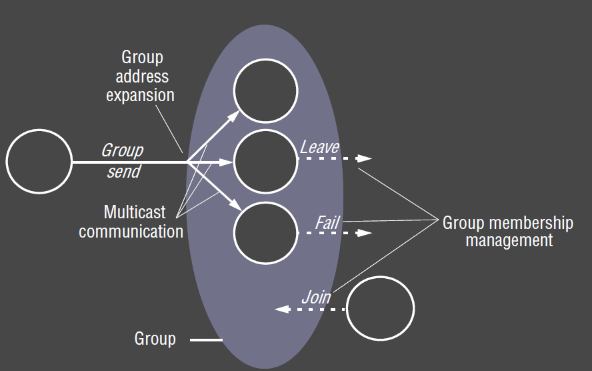
Understanding communication technology in distributed systems is essential in today’s interconnected world, where applications and services increasingly rely on diverse networked environments. These technologies enable seamless data exchange across multiple devices, ensuring system efficiency and reliability. As digital transformation continues to evolve, grasping the mechanisms behind communication in distributed systems can empower organizations to innovate and improve operational performance.
Fundamentals of Communication in Distributed Systems
At the core of any distributed system lies the ability to facilitate communication across various components, often spread across different locations. This involves synchronization of processes and effective data transfer, achieved through various protocols and messaging systems. Understanding how these elements interact helps ensure that data integrity and order are maintained during transmission, which is crucial for system reliability.
Types of Communication Protocols
Communication in distributed systems can utilize several protocols, each serving different requirements and scenarios. For example, HTTP/HTTPS is widely used for web applications, while more specialized protocols like MQTT and AMQP cater to lightweight messaging in IoT environments. These protocols not only define how data is formatted and transmitted but also influence factors like latency, bandwidth usage, and fault tolerance, ultimately impacting overall system performance.
Challenges and Solutions in Distributed Communication
Despite the advantages, communication in distributed systems faces several challenges, including network latency, fault tolerance, and data consistency. High latency can result in delays, affecting user experience, while ensuring data consistency in the face of failures can be complex. Solutions such as using distributed databases, implementing caching strategies, and employing message queuing systems can help mitigate these challenges, fostering a more resilient communication framework.
In conclusion, the realm of communication technology in distributed systems is both dynamic and essential for modern operations. As you delve deeper into this fascinating subject, consider exploring the various protocols and challenges to enhance your understanding. Stay curious and proactive in learning more about how these technologies can transform your projects and business strategies!