
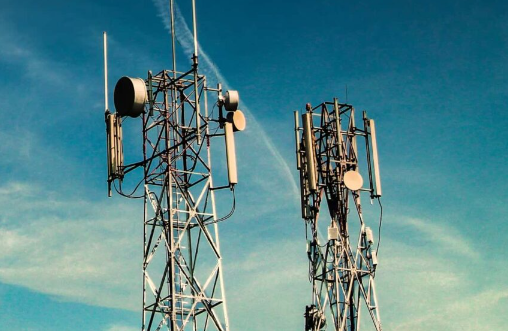
Communication technology in cellular networks plays a pivotal role in connecting people and devices worldwide. As our reliance on mobile communication continues to grow, understanding its advancements and implications becomes increasingly essential for both individuals and businesses.
The Evolution of Cellular Networks
The evolution of cellular networks has transitioned from 1G to the current 5G technology, each generation bringing significant improvements in speed and connectivity. Initially, 1G primarily facilitated voice calls, but with the introduction of 2G, SMS and basic data services emerged, enabling more versatile communication methods. The 3G era boosted mobile internet accessibility, while 4G offered unparalleled data speeds and the rise of mobile applications. Now, with 5G, we witness advancements that promise not only faster download speeds but also the potential for innovative technologies like the Internet of Things (IoT) and augmented reality (AR).
Key Technologies Behind Cellular Networks
Several key technologies drive the performance of cellular networks. One major advancement is MIMO (Multiple Input Multiple Output), which uses multiple antennas at both the transmitter and receiver to improve data throughput and reduce interference. Another vital technology is OFDM (Orthogonal Frequency-Division Multiplexing), efficiently utilizing bandwidth and enabling multiple users to transmit data concurrently. These technologies collectively allow for a seamless user experience, supporting not only smartphones but also a growing array of connected devices.
The Impact of Communication Technology on Society
Communication technology in cellular networks has profoundly impacted society by enhancing productivity and facilitating instant connectivity. Businesses can operate more efficiently, with remote work becoming more viable thanks to reliable mobile internet. Socially, individuals can stay connected regardless of geographical distances, fostering relationships and information sharing. However, it also raises challenges, such as privacy concerns and the digital divide, emphasizing the need for balanced innovation that benefits everyone.
As we continue to explore the capabilities and trends in communication technology, it’s essential to stay informed about how these advancements might influence our daily lives and industries. The future promises even more innovations, and being proactive can better prepare us for the changes ahead. Join the conversation and discover more about the exciting world of cellular communication technology!