
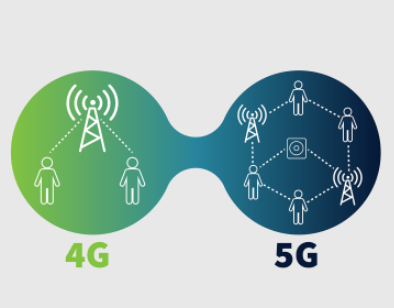
The evolution of communication technology has dramatically influenced how we connect and interact in today’s fast-paced world. With the arrival of 4G and 5G networks, there are substantial advances in speed, efficiency, and connectivity that redefine our digital landscape. Understanding these technologies can empower individuals and businesses to leverage their potential for enhanced communication and innovation.
The Transition from 4G to 5G
The transition from 4G to 5G represents a significant leap in mobile communication technology. While 4G networks brought enhancements like faster internet access and improved streaming capabilities, 5G takes this to another level by offering ultra-low latency and much higher data transfer speeds. This transition supports a growing number of devices and services, including Internet of Things (IoT) applications, enabling smart cities and autonomous vehicles to operate more efficiently and effectively.
Impact on Communication and Connectivity
The advances in 4G and 5G networks have led to transformative changes in how we communicate. With 5G’s low latency and enhanced reliability, real-time communication technologies such as video conferencing and virtual reality experiences are now smoother and more realistic. Furthermore, with these enhanced networks, businesses can facilitate remote work and collaboration, breaking down geographical barriers and opening new avenues for global connectivity.
Challenges and Future Considerations
In summary, understanding the advancements brought by 4G and 5G networks is crucial for anyone looking to stay ahead in today’s digital age. Their impact on communication and connectivity is profound and only set to grow. Stay informed and explore more about these exciting technologies to harness their potential in your personal or professional life.