
Communication technology plays a crucial role in our daily lives, influencing how we interact, conduct business, and access information. Understanding the functions of transport layers within this framework ensures more efficient and reliable communication across various platforms. This knowledge is essential for anyone interested in the technological landscape that underpins today’s interconnected world.
Understanding Transport Layers
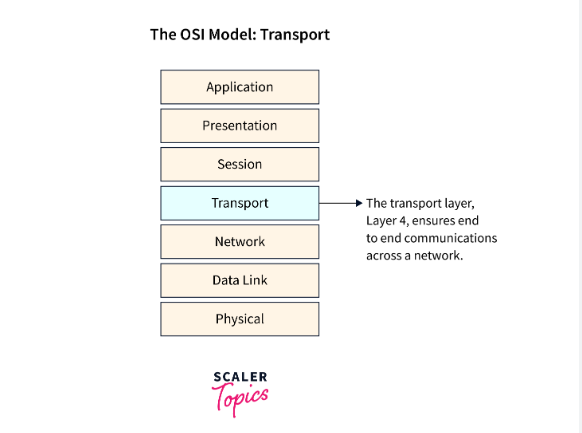
The transport layer is a pivotal component of the OSI (Open Systems Interconnection) model, functioning as the bridge between the network layer and the application layer. Its primary responsibilities include ensuring that data is transferred between devices in a reliable and orderly manner. The two main protocols operating at this layer are Transmission Control Protocol (TCP) and User Datagram Protocol (UDP), each serving distinct purposes tailored to different communication needs.
Functions of Transport Protocols
TCP is designed for reliability, providing error-checking and flow control to ensure that data is received in the correct sequence and without corruption. It is ideal for applications that require guaranteed delivery, such as web browsing and email. Conversely, UDP is a faster, connectionless protocol that transfers data without establishing a link or guaranteeing delivery. This makes it suitable for real-time applications, such as online gaming and video streaming, where speed is often prioritized over reliability.
The Impact of Transport Layer on Communication Technologies
The effectiveness of transport layers significantly influences the performance and quality of various communication technologies. By managing how data packets are sent and received, these layers contribute to the robustness of networks, impacting everything from cloud computing to Internet of Things (IoT) devices. Understanding how transport layer functions affect overall communication can help businesses optimize their operations and improve user experiences across diverse platforms.
As you explore the intricacies of communication technology further, consider how the transport layer plays a vital role in shaping the digital landscape. Embracing this knowledge can empower you to leverage technology more effectively and stay ahead in a rapidly evolving world.