
The rapid evolution of communication technologies and the design of protocol stacks have become essential for the seamless connectivity we experience today. Understanding these concepts is not only crucial for IT professionals but also beneficial for anyone intrigued by how devices exchange information and facilitate digital interactions. This knowledge empowers individuals to appreciate advancements in technology and encourages informed choices in a technology-driven world.
Understanding Communication Technology
Communication technology encompasses the various tools and systems that enable the transmission and reception of information across distances. This includes everything from traditional telephony to modern wireless technologies like Wi-Fi and cellular networks. At the heart of these systems are protocols, which establish the rules for data transfer, ensuring that messages sent from one device can be understood by another, irrespective of the underlying hardware.
Protocol Stack Design Explained
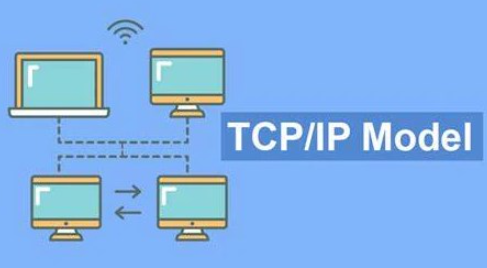
Protocol stack design refers to the layered architecture used in networking protocols, allowing different types of data communication to occur in a structured manner. This model typically includes layers such as the application, transport, network, data link, and physical layers, with each serving specific functions. By organizing communication into layers, it promotes interoperability between various systems and technologies while simplifying the troubleshooting process, as issues can often be isolated to a specific layer within the stack.
The Importance of Standardization
Standardization in communication protocols plays a vital role in ensuring compatibility and efficiency across diverse systems. Standards like TCP/IP (Transmission Control Protocol/Internet Protocol) and HTTP (Hypertext Transfer Protocol) set the groundwork for how devices communicate over the internet. This not only enhances communication efficiency but also fosters innovation, as developers can build new services and applications that rely on these universally accepted protocols without concern for underlying incompatibilities.
As communication technologies continue to evolve, staying informed about protocol stack design is more important than ever. This knowledge not only enhances your understanding of the digital landscape but also equips you to navigate the future of technology with confidence. Explore further to deepen your comprehension and embrace the possibilities of communication in our interconnected world!