
In today’s fast-paced digital world, understanding communication technology and network layer design is crucial for both individuals and businesses. These concepts form the backbone of modern connectivity, enabling seamless interaction and data exchange across vast distances. Grasping these topics can empower users to better navigate and leverage the technological landscape in which we live.
Understanding Communication Technology
Communication technology encompasses a wide range of tools and platforms that facilitate the exchange of information. This includes everything from traditional telephony systems to advanced digital applications like instant messaging and video conferencing. Each medium has unique characteristics, advantages, and challenges, shaping how we communicate in personal and professional contexts. Staying informed about these technologies allows users to choose the right channels for their specific needs and improve overall efficiency in interactions.
The Role of the Network Layer
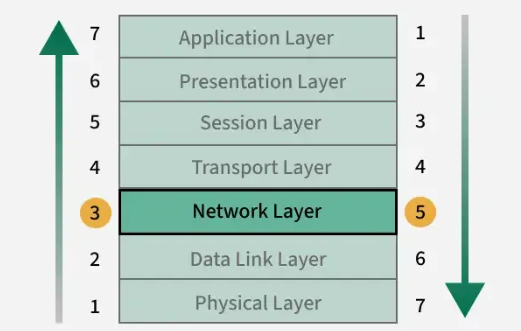
The network layer is a critical component of the OSI model, responsible for routing data between devices across networks. It manages packet forwarding, addressing, and ensuring data packets reach their intended destinations without errors. Key protocols, such as Internet Protocol (IP), play a vital role in this process, enabling devices to communicate regardless of their physical location. An understanding of the network layer is essential for designing robust networks that can handle increasing data loads while maintaining performance and security.
Challenges in Network Design
Designing effective communication networks presents several challenges, including scalability, reliability, and security. As user demands evolve, network designers must anticipate growth and ensure that infrastructure can adapt accordingly. Additionally, with the rise of cyber threats, implementing security measures is paramount to protect sensitive data during transmission. By carefully considering these challenges, organizations can build resilient networks that support their communications needs for years to come.
As you explore the realm of communication technology and network layer design, consider diving deeper into available resources and tools that enhance your understanding. Whether you’re a tech enthusiast or a professional, continuous learning in this area is beneficial. Stay curious and open to new ideas as you navigate this exciting landscape!