
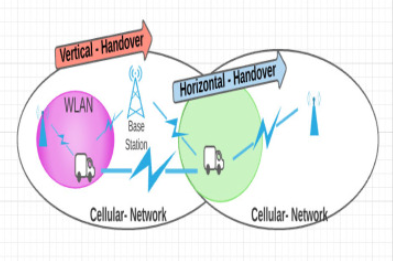
Understanding communication technology and the handover mechanisms that support it is crucial in today’s fast-paced digital landscape. With the increasing demand for seamless connectivity, these concepts play a vital role in ensuring reliable communication across various devices. This relevance makes it essential for both consumers and professionals to grasp how these technologies work to improve their connectivity experiences.
What is Communication Technology?
Communication technology refers to the tools and platforms that facilitate the transmission of information between individuals or systems. This includes everything from traditional forms like telephony and radio to modern advancements like the internet, mobile apps, and social media. The evolution of communication technology has not only transformed how we share information but has also shaped personal interactions, business operations, and societal structures.
The Role of Handover Mechanisms
Handover mechanisms are critical in maintaining uninterrupted communication, especially in mobile networks. They ensure that a user can switch between different network nodes without dropping the connection. For example, while moving from one cell tower’s coverage area to another, a well-designed handover mechanism allows for a seamless transition, enhancing user experiences during phone calls or data sessions. Understanding these mechanisms is essential for optimizing mobile communication and improving overall reliability.
Types of Handover Mechanisms
There are generally two types of handover mechanisms: hard handover and soft handover. Hard handover, also known as break-before-make, involves breaking the connection with the current node before establishing a connection with the new one, which can lead to temporary disruptions. In contrast, soft handover—make-before-break—allows connections to overlap, minimizing interruptions. Choosing the right mechanism depends on various factors, including network architecture and user requirements, making it a vital area of study in communication technology.
By exploring communication technology and handover mechanisms, one can gain deeper insights into the challenges and opportunities in the realm of connectivity. As technology continues to progress, understanding these elements will empower everyone—whether for personal use or professional applications. Stay curious and keep learning to navigate this ever-evolving landscape!