
Understanding the various types of networks is crucial in today’s interconnected world. As businesses and individuals rely more heavily on technology, having a clear grasp of network types can improve communication, security, and efficiency. This knowledge empowers users to choose the right network configurations for their specific needs.
Local Area Networks (LAN)
Local Area Networks (LAN) are designed to connect computers and devices within a limited geographical area, such as a home, office, or building. They allow multiple devices to communicate with each other, enabling file sharing and resource management. Typically faster and more secure, LANs are ideal for small to medium-sized environments where reliability and speed are essential.
Wide Area Networks (WAN)
Wide Area Networks (WAN) cover larger geographical areas, often spanning cities, countries, or even continents. They connect multiple LANs, allowing data and resources to be shared across vast distances. WANs are critical for businesses with multiple locations, enabling effective communication and collaboration among teams, regardless of their physical proximity.
Wireless Networks (WLAN)
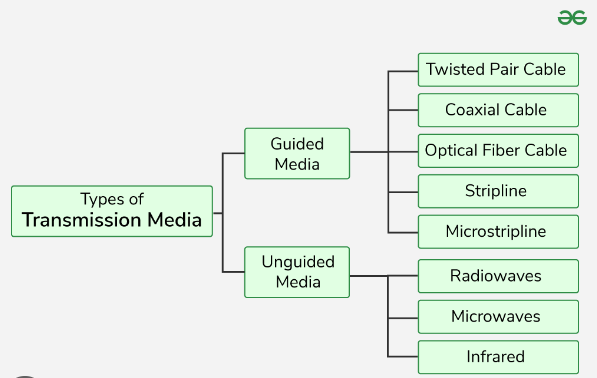
Wireless Local Area Networks (WLAN) offer the flexibility of connecting devices without physical cables, using radio waves instead. This technology allows users to move freely within the network range while staying connected to the internet or local resources. WLANs are particularly beneficial in educational institutions and public spaces, enhancing accessibility and convenience for users on the go.
In conclusion, familiarizing yourself with these common network types can greatly enhance your understanding of technology today. Whether you’re setting up a home office or considering a corporate network solution, knowing the differences helps you make informed decisions. Explore further to find the best network setup for your needs!