
Understanding Communication Technology and its intricacies, particularly congestion control algorithms, is essential as we navigate an increasingly interconnected world. These algorithms are pivotal in ensuring efficient data transmission, leading to better performance in digital communication systems. Their relevance is underscored by the growing demands for bandwidth and low latency in diverse applications, from video streaming to online gaming.
What is Congestion Control?
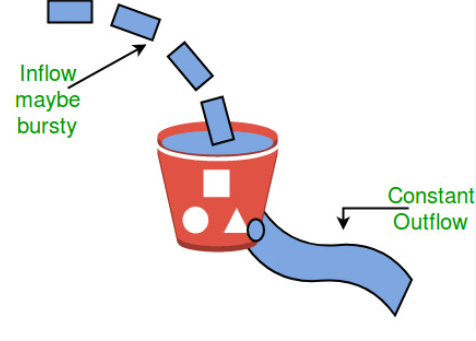
Congestion control is a technique used to manage data traffic in communication networks, preventing bottlenecks that can degrade performance. When too much data is sent over a network, it leads to packet loss, increased latency, and ultimately, a poor user experience. Various algorithms have been designed to detect and mitigate congestion by dynamically adjusting data flow, ensuring that the network can operate smoothly even under heavy loads.
Types of Congestion Control Algorithms
There are several types of congestion control algorithms, each with unique principles and methods. For instance, TCP (Transmission Control Protocol) employs algorithms like AIMD (Additive Increase Multiplicative Decrease), which carefully balances the rate of data transmission based on network conditions. Other algorithms, such as Random Early Detection (RED) and Explicit Congestion Notification (ECN), seek to preemptively manage congestion by signaling potential issues before the network becomes overwhelmed. Understanding these algorithms helps in developing better network management strategies.
The Impact on Modern Communication
In today’s digital environment, effective congestion control significantly influences the quality and reliability of communication. As more devices connect to the internet, and applications demand real-time data transmission, the role of these algorithms becomes increasingly crucial. For example, in online gaming, even minor delays can affect gameplay and user satisfaction, making robust congestion control integral to enhancing the overall experience. Additionally, advancements in algorithm design will shape future technologies, including the Internet of Things (IoT) and 5G networks, ensuring that they can support a growing user base without compromising performance.
Understanding communication technology and congestion control algorithms is essential in today’s tech-savvy world. By exploring these concepts further, you can gain valuable insights into the frameworks that keep our digital interactions smooth and efficient. Stay curious and keep learning about the advancements in this dynamic field!