
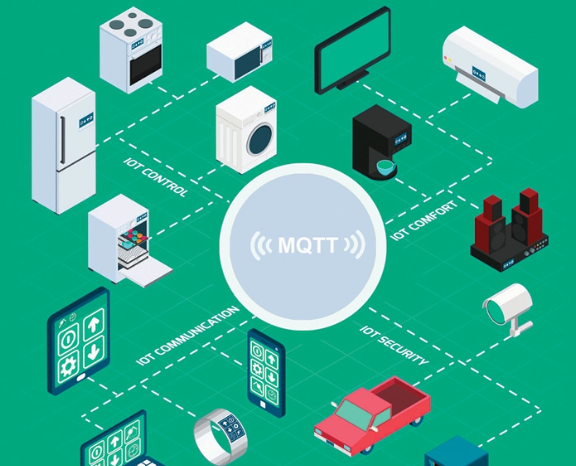
The rapid evolution of communication technology has transformed the way we connect and interact across the globe. As we delve into the realm of the Internet of Things (IoT), understanding the communication protocols that facilitate device interaction becomes crucial in maximizing efficiency and security. By exploring these technologies, individuals and organizations can better harness their potential to automate processes, improve data management, and create intelligent ecosystems.
Understanding Communication Protocols
Communication protocols are a set of rules that determine how data is transmitted and received in a networked environment. In the context of IoT, these protocols allow various devices to communicate with one another seamlessly, exchanging information efficiently. Several protocols, such as MQTT, CoAP, and HTTP, serve different purposes, catering to various application needs, from lightweight messaging to web-based interactions. Familiarity with these protocols empowers developers to select the most suitable for their IoT applications, enhancing functionality and reliability.
MQTT: A Lightweight Messaging Protocol
MQTT (Message Queuing Telemetry Transport) is a popular lightweight messaging protocol designed for low-bandwidth, high-latency networks, making it ideal for IoT applications. Utilizing a publish-subscribe model, MQTT allows devices to communicate efficiently by sending messages to a central broker, which then distributes them to all subscribed clients. This architecture minimizes the need for constant connections, reducing overhead and battery consumption in devices. With its ease of implementation and support across various platforms, MQTT has become a go-to choice for many IoT developers aiming for real-time communication.
CoAP: Optimized for Resource-Constrained Devices
The Constrained Application Protocol (CoAP) is specifically designed for low-power and resource-constrained IoT devices, enabling them to communicate without expending significant energy or bandwidth. Built on the principles of the REST architecture, CoAP offers a simple and efficient way for devices to access web services. Its support for multicast requests and the ability to operate over UDP further enhance its suitability for IoT environments. By leveraging CoAP, developers can create applications that maintain performance even in challenging network conditions, ensuring reliable operation for smart devices.
As communication technologies continue to advance, understanding IoT communication protocols equips individuals and organizations with the knowledge to create more efficient systems. By exploring MQTT, CoAP, and other protocols, you can unlock new possibilities for automation and connectivity. Embrace these technologies and consider diving deeper into this transformative field to stay ahead of the curve!