
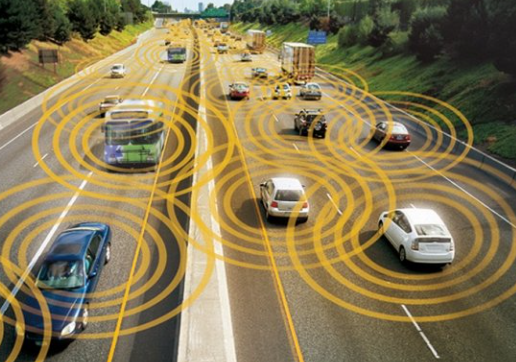
In an increasingly urbanized world, the intersection of communication technology and traffic engineering plays a pivotal role in shaping efficient transportation systems. Understanding how these two fields integrate can help reduce congestion, enhance safety, and improve overall mobility in our cities. This synergy not only benefits drivers but also has substantial implications for public transport and pedestrian experiences.
The Role of Communication Technology in Traffic Management
Communication technology enhances real-time information sharing between vehicles, infrastructure, and traffic management centers. For instance, Intelligent Transportation Systems (ITS) utilize sensors and data analytics to monitor traffic conditions and predict congestion. This real-time data allows for dynamic traffic signaling, which can adjust based on actual flow rather than pre-set schedules, optimizing traffic flow and minimizing delays.
Cooperative Systems and Smart Infrastructure
Cooperative systems, including Vehicle-to-Vehicle (V2V) and Vehicle-to-Infrastructure (V2I) communication, are revolutionizing how traffic engineering is approached. These systems enable vehicles to communicate with one another and with traffic signals, offering critical data that can prevent accidents and improve safety. For example, a vehicle approaching a traffic light can receive updates about its status, allowing the driver to reduce speed or reroute, ultimately enhancing traffic efficiency and safety.
Future Trends in Traffic Engineering and Communication Technologies
The future of traffic engineering is poised to be significantly influenced by advancements in communication technologies such as 5G and artificial intelligence. These technologies promise increased speeds and data processing capabilities, which can facilitate smarter traffic control systems and enable autonomous vehicles. As these innovations are adopted, we can expect a transformative impact on urban mobility, leading to reduced pollution, improved traffic flow, and enhanced quality of life for urban residents.
As cities evolve, staying informed about the developments in communication technology and traffic engineering is crucial. Whether you’re a professional in the field or simply a citizen who wishes to learn more, exploring these topics can contribute significantly to understanding and participating in shaping the future of urban mobility. Dive deeper into these innovations to discover how they can improve your daily commute and the overall efficiency of transportation systems.