
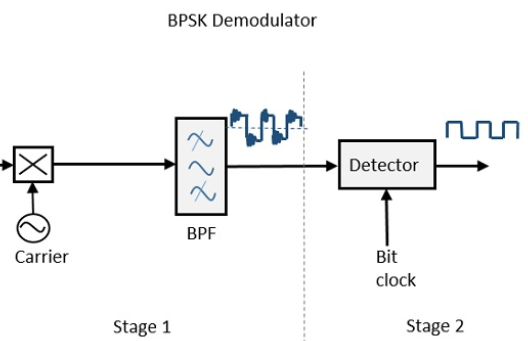
In an increasingly connected world, understanding communication technology and demodulation processes is crucial for grasping how data is transmitted and received. This knowledge is not only beneficial for tech enthusiasts but also for professionals across various fields, enabling them to navigate the complexities of modern communication systems. As technology evolves, so do the methods by which we communicate, making this topic relevant to anyone interested in the digital landscape.
Fundamentals of Communication Technology
Communication technology encompasses all the tools and systems that facilitate data exchange, ranging from traditional media like radio and television to advanced digital networks. At its core, it seeks to improve the speed and efficiency of information transmission. Innovations such as satellites, fiber optics, and wireless communication have revolutionized how we connect, paving the way for instant communication across global distances.
Understanding Demodulation Processes
Demodulation is the process of extracting the original information-bearing signal from a modulated carrier wave. This is critical in digital communication systems where signals are altered to transmit data over various media. The demodulation process allows devices to decode the signals and retrieve useful information, making it essential for both wireless communications and broadcasting technologies. Techniques such as amplitude modulation (AM) and frequency modulation (FM) highlight the importance of demodulation in ensuring accurate communication.
The Role of Modulation in Communication
Modulation involves varying a carrier signal to encode information, enabling effective communication over distances. Different types of modulation, such as phase shift keying (PSK) and frequency shift keying (FSK), are used based on the requirements of the message and the communication channel. The interplay of modulation and demodulation is fundamental in the digital age, allowing for the efficient use of bandwidth, improved signal quality, and reduced interference. Understanding these processes is essential for anyone working in fields related to telecommunications or information technology.
As we navigate through the complexities of communication technology, it’s clear that a robust understanding of demodulation processes is valuable for a range of applications. Whether you’re an aspiring engineer or simply curious about technology, exploring these concepts further can unlock new opportunities. Dive deeper into the world of communication technology and empower yourself with the knowledge that drives today’s digital landscape.