
Understanding communication technology architecture is crucial in today’s interconnected world, where effective information exchange drives personal, business, and technological advancements. This architecture lays the foundation for how data is transmitted, processed, and received across various platforms and devices, making it essential for anyone interested in technology and its applications.
Core Components of Communication Technology Architecture
The fundamental elements of communication technology architecture include hardware, software, protocols, and transmission media. Hardware encompasses devices like routers, switches, and servers that facilitate the movement of information. Software refers to the applications and operating systems that manage these devices, while protocols are the agreed-upon sets of rules dictating how data is transmitted. Transmission media, whether wired or wireless, determines how signals are delivered, impacting speed and reliability.
Types of Communication Networks
Communication networks can be categorized into several types, including Local Area Networks (LANs), Wide Area Networks (WANs), and Metropolitan Area Networks (MANs). LANs connect devices within a limited area, such as a home or office, enabling quick data sharing and communication. WANs, on the other hand, connect larger geographic areas, often through leased telecommunication lines, catering to broader organizational needs. MANs serve a middle ground, covering cities or specific regions, offering optimal solutions for businesses operating within those locales.
Future Trends in Communication Technology Architecture
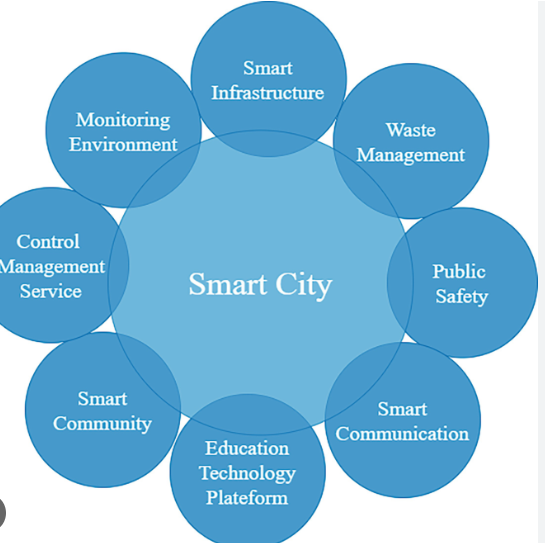
The landscape of communication technology is rapidly evolving with trends such as 5G deployment, the Internet of Things (IoT), and advancements in artificial intelligence. 5G offers increased speed and reduced latency, enhancing mobile connectivity and enabling new applications. IoT connects everyday devices to the internet, allowing for smarter cities and efficient resource management. Meanwhile, AI technology is being integrated into communication systems to improve data analysis and decision-making, promising a more interconnected and intelligent future.
As communication technology architecture continues to develop, staying informed is essential for leveraging its benefits in daily life and business. Exploring these innovations can lead to more efficient workflows and improved connectivity. Dive deeper into this fascinating field and consider how these advancements can work for you!