
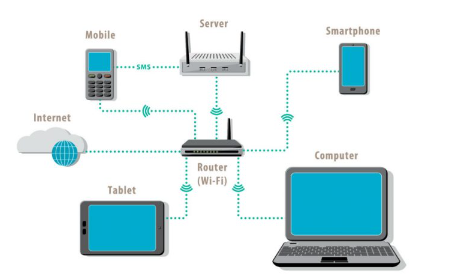
Understanding Local Area Networks (LAN) is crucial in today’s interconnected world, where seamless communication and data sharing are essential for both personal and professional environments. LAN technology enables multiple devices within a limited geographical area to connect, share resources, and communicate effectively, making it an integral part of modern computing.
What is a LAN?
A Local Area Network (LAN) is a network that connects computers and devices in a small geographic area, such as a home, office, or campus. Typically, it is characterized by high data transfer speeds and low latency, which facilitates quick access to shared resources like printers, files, and applications. LANs are essential for organizations to enhance collaboration and streamline workflows, as they provide the backbone for internal communication.
Components of a LAN
A LAN comprises several key components: computers, networking hardware, and communication media. Computers and devices, such as printers and servers, are connected through networking hardware like switches, routers, and access points. The communication media can be wired, often using Ethernet cables, or wireless, utilizing Wi-Fi technology where flexibility and mobility are required. Understanding these components helps in designing a robust LAN that meets specific organizational needs.
Benefits of Using a LAN
The advantages of implementing a LAN are numerous. First, a LAN allows for resource sharing, meaning users can easily access shared files and printers, which enhances productivity. Second, it provides a centralized management system for data and network resources, simplifying maintenance and security. Lastly, LANs support high-speed connections that facilitate real-time collaboration, making them ideal for businesses and educational institutions that rely on immediate data exchange.
By exploring and understanding LAN technology, individuals and organizations can optimize their networking capabilities for maximum efficiency. Whether you’re a tech enthusiast or a business owner, diving deeper into the workings of LANs can yield significant benefits in connectivity and communication. Don’t hesitate to expand your knowledge on this foundational element of computer networks!