
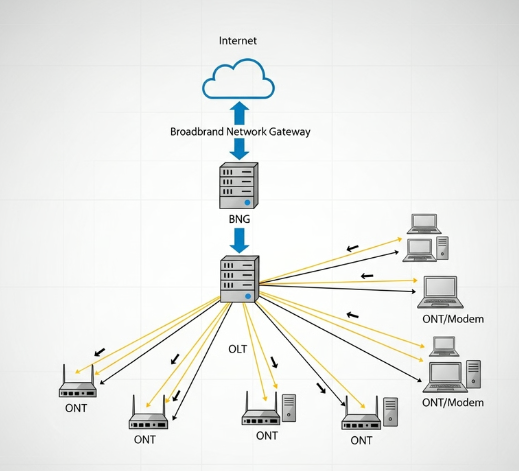
Understanding networking architecture is essential in today’s digital age, as it serves as the backbone of communication and data exchange in organizations and homes alike. As technology evolves, a solid grasp of this subject allows individuals and businesses to optimize their networks for efficiency, security, and scalability. This knowledge can tremendously enhance productivity and foster innovation.
What is Networking Architecture?
Networking architecture refers to the design and structure of a network, comprising various components and methodologies that facilitate communication between systems. It encompasses both hardware and software, including routers, switches, protocols, and transmission media. Understanding these elements helps organizations tailor their networks to meet specific operational requirements, ensuring reliable connectivity and data flow.
Types of Networking Architectures
There are several types of networking architectures, including client-server, peer-to-peer, and hybrid models. Client-server architecture centralizes resources on a server, making it efficient for managing data and applications. On the other hand, peer-to-peer architecture allows devices to connect directly, fostering collaboration but potentially leading to management challenges. Hybrid architectures combine elements of both to capitalize on their advantages while mitigating shortcomings.
The Importance of Scalability and Security
Scalability and security are two critical aspects of networking architecture that cannot be overlooked. As organizations grow, their networking needs expand, necessitating a design that can scale seamlessly. Additionally, as cyber threats increase in sophistication, incorporating robust security measures into the architecture is vital to protect sensitive information and maintain operational integrity. A well-structured network architecture ensures that both scalability and security are prioritized, enabling organizations to thrive in a competitive environment.
In conclusion, grasping networking architecture is pivotal for anyone aiming to innovate or improve their organizational efficiency. By learning about different architectures and the importance of scalability and security, you can make informed decisions that positively impact your network. Dive deeper into this subject to ensure your network is robust, scalable, and secure!