
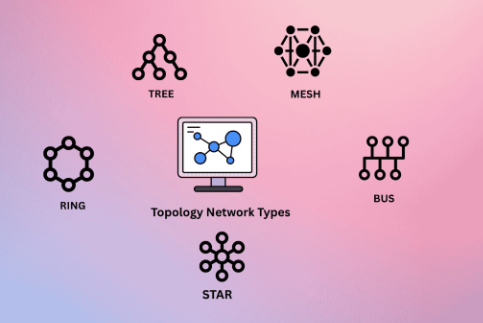
Understanding different types of network topology is essential for designing and managing effective communication networks. Each topology has its own strengths and weaknesses, making them suitable for varying organizational needs and scales. By exploring these topologies, individuals and organizations can optimize their network performance and reliability.
Bus Topology
Bus topology is one of the simplest network configurations, where all devices are connected to a single central cable, known as the bus. This design is easy to set up and cost-effective, making it popular for small networks or temporary installations. However, if the central cable fails, the entire network goes down, limiting its reliability for larger systems.
Star Topology
In a star topology, all devices are connected individually to a central hub or switch. This structure enhances network performance and reliability, as the failure of one connection doesn’t affect the entire network. While the initial setup may be more expensive due to the additional cables and hardware needed, the ease of troubleshooting and maintenance often justifies the cost, making it a favored choice for many organizations.
Mesh Topology
Mesh topology provides a high level of redundancy and reliability by connecting each device to multiple others, creating a web-like structure. This setup allows for multiple paths for data to travel, significantly reducing the risk of network failure. While the complexity and cost of installation can be high, the scalability and robustness of mesh networks make them ideal for mission-critical applications, particularly in large organizations or emergency services.
Exploring network topologies reveals the intricate designs that underpin our digital communication systems. Each type offers unique advantages and challenges that can impact overall performance. As you consider your networking needs, researching these topologies further can assist you in making an informed decision for your next project.